By clicking "Accept", you agree to store cookies on your device to improve your browsing experience. See our Privacy Policy for more information.

Plastics Enable
Modern Life

Plastics are essential to nearly every aspect of modern living, from health and hygiene to transportation, food preservation, and infrastructure.

Core Benefits of Plastics

  • Lightweight and durable, enabling reduced fuel use and extended product life
  • Highly formable and design-flexible
  • Resistant to moisture, chemicals, and biological contaminants
  • Ideal for high-volume manufacturing and scalable supply chains
  • Critical to innovations in healthcare, renewable energy, and clean water access

Versatility of Plastics

Plastics are among the most important materials of modern society, valued for their versatility, affordability, and wide-ranging applications. They can be engineered to be strong or flexible, transparent or opaque, lightweight yet durable — qualities that allow them to replace traditional materials like glass, wood, and metal across countless industries. From packaging and construction to electronics and transportation, plastics enable innovations that define everyday life.

THE MOST IMPORTANT MATERIALS OF MODERN SOCIETY
Plastics enable innovations that define everyday life.

Their role in healthcare is especially vital. Single-use syringes, IV bags, sterile packaging, prosthetics, and protective equipment all rely on plastics to ensure safety and effectiveness. In food systems, plastic packaging helps preserve freshness, extend shelf life, and reduce waste, while in technology and energy, plastics are indispensable for electronics, renewable energy infrastructure such as solar panels and wind turbines, and the advancement of electric vehicles.

Resistant to moisture, chemicals, and biological contaminants, plastics offer reliability where other materials might fail. Combined with their suitability for high-volume production, they are essential to scalable global supply chains that keep critical products accessible worldwide.

Supporting Innovation and Accessibility

Plastics are not just foundational to industrial and commercial products, they also make technology more accessible, improve safety in medical settings, and play a role in social development through affordable infrastructure solutions.

Significant Challenges

Yet the very qualities that make plastics so useful — their durability and accessibility — also create significant challenges. Persistent waste and environmental impact have placed plastics at the center of global sustainability debates. The future of plastics lies in balancing these indispensable roles with responsible practices.
Advancements in recycling technologies, development of alternative materials, and adoption of circular economy principles are essential to reducing their footprint while preserving their benefits.
View Materials
Right arrow

Balancing Progress with Sustainability

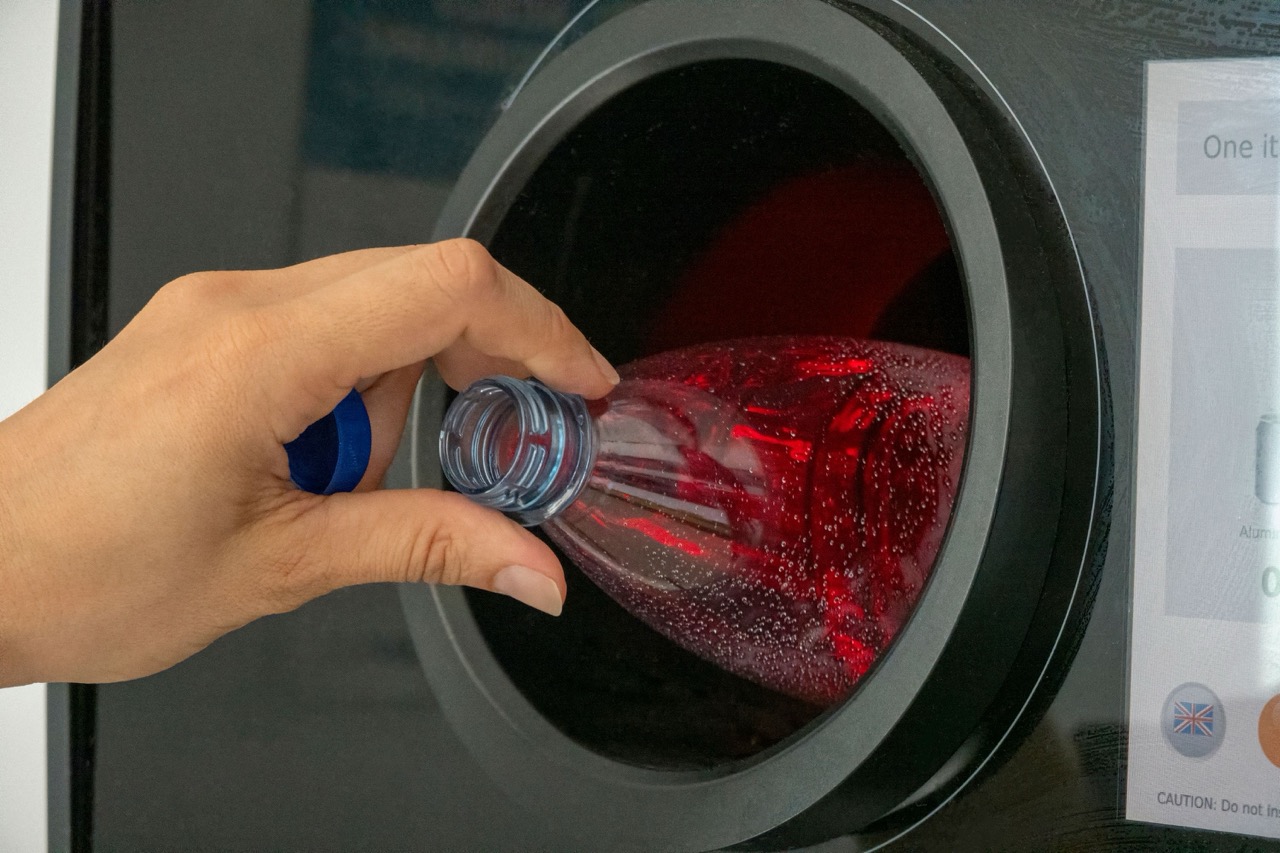
Plastics are often at the center of environmental conversations, but the real challenge lies in how waste is managed, not in the material itself. Of the 353 million tonnes of plastic waste generated globally, only 9% is recycled, while 22% is mismanaged through littering or open dumping.
6x recycled plastics
production has grown since 2000, reaching 41.1 million tonnes in 2024

How Townsend Supports the Conversation

Through education, data, and strategic insight, Townsend Solutions helps stakeholders understand the true value of plastics, and how to responsibly optimize their role in the global economy."

Let’s shape your next move together.

Partner with Townsend Solutions to unlock data-driven insights, industry expertise, and practical strategies tailored to your business goals.
Contact Our Experts
Right arrow
Smiling middle-aged man with gray hair and glasses holding a tablet in an urban setting.

Sign up for our newsletter

Be the first to know about releases and industry news & insights.

* Required fields